Tel: (516) 543-1297

5 Creative Ways to Use Pavers Around Your Pool and Patio
a blog by userIntroduction
Creating a functional and beautiful outdoor space is an essential part of enhancing your home’s overall appeal. Whether you’re designing a new backyard layout or upgrading an existing space, choosing the right materials can make all the difference. Pavers are one of the most versatile and durable options available, offering a wide range of design possibilities for pools, patios, walkways, and more. Their ability to blend aesthetics with functionality makes them a favorite choice for homeowners looking to transform their outdoor areas into stylish and long-lasting retreats.
Unlike poured concrete, pavers provide superior durability and flexibility. They resist cracking, can handle shifting ground conditions, and can be individually replaced if needed. This makes them an excellent investment for high-traffic areas such as pool decks and patios, where exposure to water and fluctuating temperatures can cause wear and tear over time. Pavers are also available in a variety of materials, including natural stone, concrete, and brick, allowing homeowners to customize their outdoor spaces to match their design preferences.
One of the biggest advantages of using pavers around pools and patios is their slip-resistant surface. Wet surfaces can create safety hazards, particularly around pools, but pavers offer enhanced traction to help prevent slips and falls. Lighter-colored pavers also reflect sunlight rather than absorbing heat, making them more comfortable to walk on during hot summer months. Additionally, pavers provide better drainage compared to solid concrete slabs, helping to prevent puddles and water buildup that could lead to damage or slippery conditions.
Beyond their practical benefits, pavers offer endless design possibilities. From sleek modern aesthetics to rustic and natural styles, they can be arranged in various patterns and layouts to create a unique and inviting outdoor space. Geometric patterns such as herringbone, basket weave, and running bond can add visual interest, while using mixed materials like stone and wood can create a distinctive, multi-textured look. Whether you want a contemporary patio, a luxurious pool deck, or an intricate garden pathway, pavers can be adapted to complement any landscape.
Another creative advantage of pavers is their ability to define different outdoor areas. By using contrasting paver colors or textures, homeowners can separate dining spaces, lounging areas, and poolside relaxation zones. Pavers can also be used for structural elements such as seating walls, fire pits, outdoor kitchens, and decorative borders, making them an essential tool for cohesive and well-planned backyard designs.
The installation process for pavers is straightforward and can be customized to suit different needs. Whether opting for interlocking pavers, loose-set stepping stones, or a professionally installed patio, the flexibility of pavers allows for both DIY-friendly and expert-level applications. With proper maintenance, including occasional sealing and sweeping, pavers can retain their beauty and strength for decades, making them a cost-effective and low-maintenance solution for any outdoor space.
In this article, we will explore five creative ways to use pavers around your pool and patio, from seamless pool decks to stylish walkways and multi-level outdoor spaces. These ideas will help inspire homeowners to take advantage of the versatility, durability, and elegance that pavers bring to outdoor living areas. Whether you’re aiming for a complete backyard transformation or subtle enhancements, incorporating pavers is a great way to elevate your outdoor design.
1. Create a Seamless Pool Deck with Pavers
A well-designed pool deck enhances both the beauty and functionality of your outdoor space. Using pavers for a pool deck is a smart choice due to their durability, slip resistance, and aesthetic versatility. Unlike poured concrete, which can crack over time, pavers are designed to withstand ground movement and heavy foot traffic, making them a long-lasting option for poolside areas.
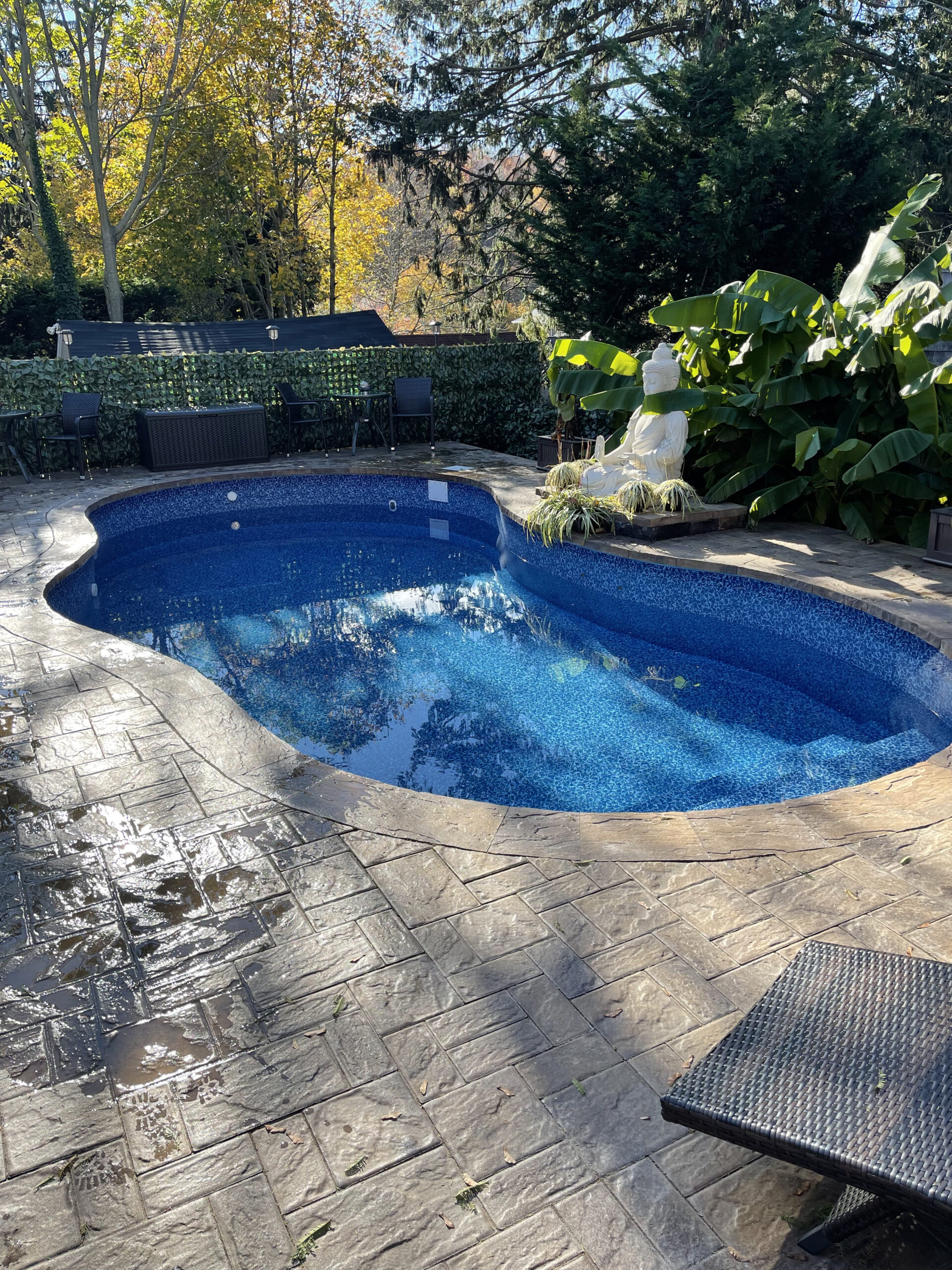
One of the primary benefits of pavers around a pool is their slip-resistant surface. Textured pavers, such as travertine or concrete pavers with a rough finish, help reduce the risk of slipping when wet. Additionally, lighter-colored pavers reflect heat rather than absorbing it, keeping the pool deck cool and comfortable underfoot. This makes them an excellent choice for hot summer days when traditional materials like concrete can become uncomfortably warm.
Pavers also offer extensive design flexibility. Geometric layouts such as herringbone and basket weave patterns create visually appealing pool decks, while contrasting border pavers help define the space. Travertine pavers provide a luxurious, natural stone aesthetic, while interlocking concrete pavers deliver a more contemporary look.
With their easy maintenance and ability to replace individual pavers if damaged, paver pool decks offer a stylish, functional, and low-maintenance solution for any backyard oasis.
2. Design an Elegant Patio Lounge Area
A patio lounge area serves as the heart of any outdoor living space, providing a comfortable place for relaxation, dining, and entertaining. Choosing pavers for your patio flooring enhances both durability and design versatility, ensuring a stylish and long-lasting outdoor retreat. Unlike traditional concrete slabs, pavers offer better drainage, reducing the risk of water accumulation and damage over time.
One of the biggest advantages of using pavers for a patio is the wide range of design options available. Large-format pavers create a sleek, modern look, while natural stone pavers add rustic charm. Mixing materials such as concrete and wood-look pavers can introduce texture and contrast, making the patio visually dynamic. For those looking to add warmth and ambiance, a built-in fire pit surrounded by coordinating pavers can transform the space into a cozy gathering spot.
Pavers are also highly weather-resistant, making them ideal for patios exposed to changing temperatures and frequent foot traffic. Their interlocking structure prevents shifting, and if damage occurs, individual pavers can be replaced without disrupting the entire surface. With their combination of beauty, practicality, and easy maintenance, pavers offer a timeless solution for creating an inviting and functional patio lounge area.
3. Build a Stylish Paver Walkway
A well-designed paver walkway not only enhances the aesthetic appeal of your outdoor space but also provides functional pathways that connect various areas of your yard. Pavers offer durability and versatility, making them an excellent choice for creating walkways that can withstand heavy foot traffic and varying weather conditions.
Advantages of Paver Walkways:
- Durability: Pavers are designed to endure significant wear and tear, ensuring a long-lasting walkway.
- Design Flexibility: Available in various shapes, colors, and materials, pavers allow for creative designs that complement your landscape.
- Maintenance: Individual pavers can be replaced if damaged, simplifying repairs compared to poured concrete.
Design Ideas for Paver Walkways:
- Curved Pathways: Incorporate gentle curves into your walkway design to create a natural flow that guides visitors through your garden or yard. Curved paths can add a sense of intrigue and softness to your landscape. (https://mowerslab.com/paver-walkway-ideas/)
- Mixed Materials: Combine different paver materials, such as brick and stone, to add texture and visual interest to your walkway. This approach can highlight specific areas and create a unique aesthetic.
- Geometric Patterns: Utilize patterns like herringbone or basket weave to add sophistication to your walkway. These designs can enhance the visual appeal and complement the architectural style of your home.
For comprehensive guidance on designing and building a paver walkway, consider resources like Lowe’s step-by-step tutorial (https://www.lowes.com/n/how-to/how-to-design-and-build-a-paver-walkway).lowes.com
By thoughtfully selecting materials and designs, a paver walkway can seamlessly integrate with your outdoor space, enhancing both functionality and beauty.
4. Add Paver Accents to Outdoor Features
Enhancing your outdoor space with paver accents can significantly boost both its functionality and aesthetic appeal. Pavers are versatile materials that can be used beyond traditional flooring applications to create unique and durable outdoor features.
Ideas for Incorporating Paver Accents:
- Outdoor Kitchens: Utilize pavers to construct countertops and bases for outdoor kitchen areas, providing a cohesive and sturdy design that complements your patio.
- Fire Pits: Design circular or square fire pits using pavers to create a focal point and gathering spot in your backyard.
- Seating Walls: Build low-height walls with pavers to offer additional seating options and define different zones within your outdoor space.
- Garden Edging: Use pavers as borders around flower beds or vegetable gardens to create clean lines and prevent soil erosion.
For a comprehensive guide on extending your patio with pavers and incorporating various paver accents, consider visiting J F Gray Landscaping’s article on patio extensions (https://www.jfgraylandscape.com/post/how-to-extend-your-patio-with-pavers).
By thoughtfully integrating paver accents into your outdoor design, you can create a cohesive and inviting environment that enhances both the beauty and functionality of your living space.
5. Construct a Multi-Level Outdoor Space
Designing a multi-level outdoor space with pavers can transform a sloped or uneven backyard into a functional and visually appealing area. By incorporating various elevations, you can create distinct zones for dining, lounging, and entertainment, maximizing the usability of your outdoor environment.
Benefits of Multi-Level Paver Designs:
- Space Optimization: Utilizing different levels allows for better management of uneven terrains, making previously unusable areas accessible and functional.
- Visual Appeal: Elevated sections add depth and interest to your landscape, creating a dynamic and engaging outdoor setting.
- Defined Areas: Separate levels naturally delineate spaces for specific activities, enhancing organization and flow within your backyard.
Design Considerations:
- Retaining Walls: Incorporate retaining walls constructed from pavers to support elevated sections and add architectural interest. These walls can also serve as additional seating or planters.
- Staircases: Connect different levels with paver staircases, ensuring they are safe and complement the overall design.
- Consistent Materials: Use similar paver styles and colors across all levels to maintain a cohesive look throughout the space.
For inspiration and guidance on creating multi-level outdoor spaces, consider exploring the design ideas provided by American Paving Design (https://www.americanpavingdesign.com/our-blog-1/multi-level-outdoor-living-space-paver-patios-3z5t5).americanpavingdesign.com
By thoughtfully planning and executing a multi-level paver design, you can enhance both the functionality and beauty of your outdoor living area, creating a versatile space that caters to various activities and gatherings.
Conclusion
Pavers offer one of the most versatile, durable, and visually appealing solutions for transforming your pool and patio area. Whether you want to create a seamless pool deck, an inviting patio lounge, a stylish walkway, or a multi-level outdoor space, pavers provide the perfect balance of functionality and design. By incorporating high-quality pavers into your outdoor living area, you can enhance the aesthetic appeal, safety, and usability of your backyard while ensuring long-lasting durability.
One of the most significant benefits of using pavers is their ability to seamlessly blend different elements of your outdoor space. A well-designed pool deck made from slip-resistant pavers provides a safe and comfortable surface for swimmers and sunbathers alike. By extending the same paver materials into your patio, you create a cohesive look that ties the entire backyard together. Additionally, paver walkways help define movement throughout the space, guiding guests effortlessly from one area to another. These walkways also protect grassy areas and landscaping from foot traffic, ensuring a well-maintained and structured backyard.
Beyond their structural benefits, pavers also offer incredible design flexibility. Available in a wide range of materials, colors, textures, and patterns, they allow homeowners to customize their outdoor space to reflect their personal style. Whether you prefer the natural elegance of travertine, the warm tones of brick, or the contemporary look of large-format concrete pavers, the design possibilities are nearly endless. Creative installation techniques, such as herringbone or basket weave patterns, further enhance the visual appeal, making your pool and patio area a true focal point of your home.
Functionality is another key advantage of pavers. Unlike traditional concrete slabs, which are prone to cracking and difficult repairs, pavers offer easy maintenance and long-term durability. Individual pavers can be replaced if damaged, reducing repair costs and ensuring the longevity of your investment. Additionally, pavers provide excellent drainage, preventing water from pooling and reducing the risk of slippery surfaces—an essential feature for pool areas.
For homeowners looking to elevate their outdoor experience even further, incorporating paver accents into outdoor features can create a luxurious and inviting atmosphere. Built-in fire pits, outdoor kitchen countertops, retaining walls, and decorative garden edging made from pavers add character and sophistication to the space. These features not only enhance usability but also add value to your property, making your backyard more appealing to potential buyers should you ever decide to sell.
Multi-level paver designs provide another opportunity to maximize outdoor space, particularly in yards with slopes or uneven terrain. By strategically incorporating raised patios, steps, and retaining walls, homeowners can create distinct zones for lounging, dining, and entertaining. This approach not only improves the overall flow of the outdoor area but also adds architectural interest and depth to the landscape.
Incorporating pavers into your outdoor design is a smart investment that offers both aesthetic and practical benefits. Their durability, low maintenance, and ability to seamlessly integrate various outdoor elements make them an ideal choice for pool and patio areas. Whether you’re looking to refresh your backyard with a few key enhancements or undertake a full-scale transformation, pavers provide a reliable and stylish solution that will stand the test of time.
By exploring the many creative ways to use pavers, you can design an outdoor space that perfectly complements your home and lifestyle. Whether it’s a stunning pool deck, a cozy patio lounge, a charming walkway, or a multi-tiered entertainment area, pavers provide the foundation for a beautiful and functional backyard retreat.
Looking for more articles
from Big Becks?
Recently published
Mar. 31, 2025
5 Creative Ways to Use Pavers Around Your Pool and Patio
Mar. 15, 2025
Why LOOP-LOC Safety Covers Are a Must for Winter Pool Care

Mar. 01, 2025
Benefits of Upgrading Your Pool Liner to a LOOP-LOC Liner
Feb. 15, 2025
How to Prepare Your Pool for a Vinyl Liner Replacement
Feb. 01, 2025