Tel: (516) 543-1297

Choosing the Right Pavers for Your Pool Deck: Tips and Trends
a blog by userA well-designed pool deck can transform your backyard into a luxurious and functional space. Among the most important aspects of creating a beautiful pool deck is choosing the right pavers. With so many options in materials, colors, and styles, selecting the ideal pavers can feel overwhelming. The key is to find pavers that not only complement your pool but also offer durability, comfort, and low maintenance.
In this guide, we’ll explore essential tips and the latest trends in pool deck pavers, helping you make an informed choice for your next pool project.
Factors to Consider When Choosing Pool Deck Pavers
Before diving into specific paver materials and styles, it’s important to understand the key factors to consider when selecting pavers for your pool deck.
1. Durability
Your pool deck will be exposed to various elements, including water, sunlight, and foot traffic. Therefore, the pavers must be durable enough to withstand wear and tear without losing their visual appeal.
Tips for Ensuring Durability:
- Choose materials known for their strength, such as natural stone or concrete.
- Look for pavers that are resistant to chlorine, saltwater, and UV rays to prevent fading or erosion over time.
2. Slip Resistance
Safety is a top priority around the pool area, making slip resistance a crucial factor.
Tips for Slip Resistance:
- Opt for textured or non-slip pavers to reduce the risk of slips and falls.
- Materials like travertine and certain concrete pavers offer excellent traction, even when wet.
3. Heat Retention
Walking barefoot around the pool is common, so choosing pavers that stay cool underfoot is essential for comfort.
Tips for Cooler Surfaces:
- Light-colored pavers reflect more sunlight, retaining less heat compared to darker pavers.
- Travertine is known for its ability to stay cool, making it a popular choice for hot climates.
4. Maintenance Requirements
Low-maintenance pavers can save you time and money in the long run.
Tips for Low Maintenance:
- Sealed pavers are easier to clean and protect against stains.
- Permeable pavers help with water drainage, reducing the risk of standing water and algae growth.
Popular Paver Materials for Pool Decks
There are several paver materials to choose from, each with its own unique properties. Here’s a breakdown of the most popular options:
1. Concrete Pavers
Concrete pavers are a versatile and cost-effective option for pool decks. They come in various shapes, sizes, and colors, allowing for endless design possibilities.
Pros:
- Affordable and widely available.
- Can be molded into different shapes and patterns.
- Easy to install and replace.
Cons:
- Prone to fading if not sealed properly.
- May retain heat more than natural stone pavers.
Trends:
- Stamped concrete pavers that mimic the look of stone or wood are increasingly popular.
2. Natural Stone Pavers
Natural stone pavers, such as travertine, limestone, and sandstone, offer a luxurious and timeless look. They are highly durable and resistant to harsh weather conditions.
Pros:
- Unique, natural patterns and textures.
- High slip resistance.
- Stay cool underfoot, making them ideal for hot climates.
Cons:
- Higher upfront cost compared to other materials.
- Requires sealing to maintain color and prevent staining.
Trends:
- Mixing different types of stone pavers to create a custom look.
- Using large-format stone pavers for a modern, minimalist design.
3. Brick Pavers
Brick pavers offer a classic and rustic look that can add warmth and charm to your pool deck.
Pros:
- Highly durable and resistant to fading.
- Easy to replace individual pavers if damaged.
- Excellent slip resistance.
Cons:
- Limited color options.
- Can retain more heat than other materials.
Trends:
- Using brick pavers in herringbone or basket weave patterns for a traditional look.
- Combining brick pavers with stone or concrete for a unique, mixed-material design.
4. Porcelain Pavers
Porcelain pavers are a newer option for pool decks, offering a sleek, modern appearance. They are made from high-density ceramic material and are highly resistant to water and stains.
Pros:
- Extremely durable and resistant to fading.
- Low maintenance and easy to clean.
- Available in a wide range of colors and patterns, including wood and stone looks.
Cons:
- Can be more expensive than concrete and brick.
- May require professional installation due to their weight and precision.
Trends:
- Using large-format porcelain pavers for a seamless, contemporary look.
- Choosing wood-look porcelain pavers for a warm, natural aesthetic.
Design Trends for Pool Deck Pavers
In addition to choosing the right material, incorporating the latest design trends can help elevate the look of your pool deck.
1. Mixed Material Designs
Combining different paver materials, such as stone and concrete or brick and porcelain, can create a visually interesting pool deck. This trend allows homeowners to highlight specific areas, such as lounge spaces or pathways, while adding depth and texture.
2. Geometric Patterns
Geometric patterns, such as herringbone, chevron, and hexagons, are gaining popularity for their ability to add a modern touch to traditional materials. These patterns work well with both natural stone and concrete pavers.
3. Permeable Pavers
Permeable pavers are not only eco-friendly but also practical for pool decks. They allow water to drain through the joints, reducing runoff and minimizing the risk of standing water.
4. Large-Format Pavers
Large-format pavers create a clean, minimalist look that is perfect for modern pool designs. They also reduce the number of joints, making the deck easier to clean and maintain.
Maintenance Tips for Pool Deck Pavers
Proper maintenance ensures that your pool deck remains beautiful and functional for years to come.
- Regular Cleaning:
- Sweep the pool deck regularly to remove dirt and debris.
- Use a mild detergent and a soft brush to clean stains.
- Sealing:
- Seal the pavers every few years to protect against stains, fading, and water damage.
- Choose a sealer that enhances the natural color of the pavers for added visual appeal.
- Weed Control:
- Use polymeric sand in the joints to prevent weed growth and stabilize the pavers.
- Regularly inspect and remove any weeds that may emerge.
- Repairing Damaged Pavers:
- Replace any damaged or cracked pavers promptly to maintain the integrity of the deck.
- Keep extra pavers from the original installation for easy replacements.
Final Thoughts
Choosing the right pavers for your pool deck is essential for creating a functional, safe, and visually appealing outdoor space. By considering factors such as durability, slip resistance, and maintenance requirements, you can select pavers that meet your needs and match your pool’s design.
Whether you prefer the classic look of brick, the luxurious feel of natural stone, or the modern style of porcelain, there are plenty of options to suit your taste. By incorporating the latest trends and following proper maintenance practices, you can enjoy a beautiful and long-lasting pool deck for years to come.

Looking for more articles
from Big Becks?
Recently published
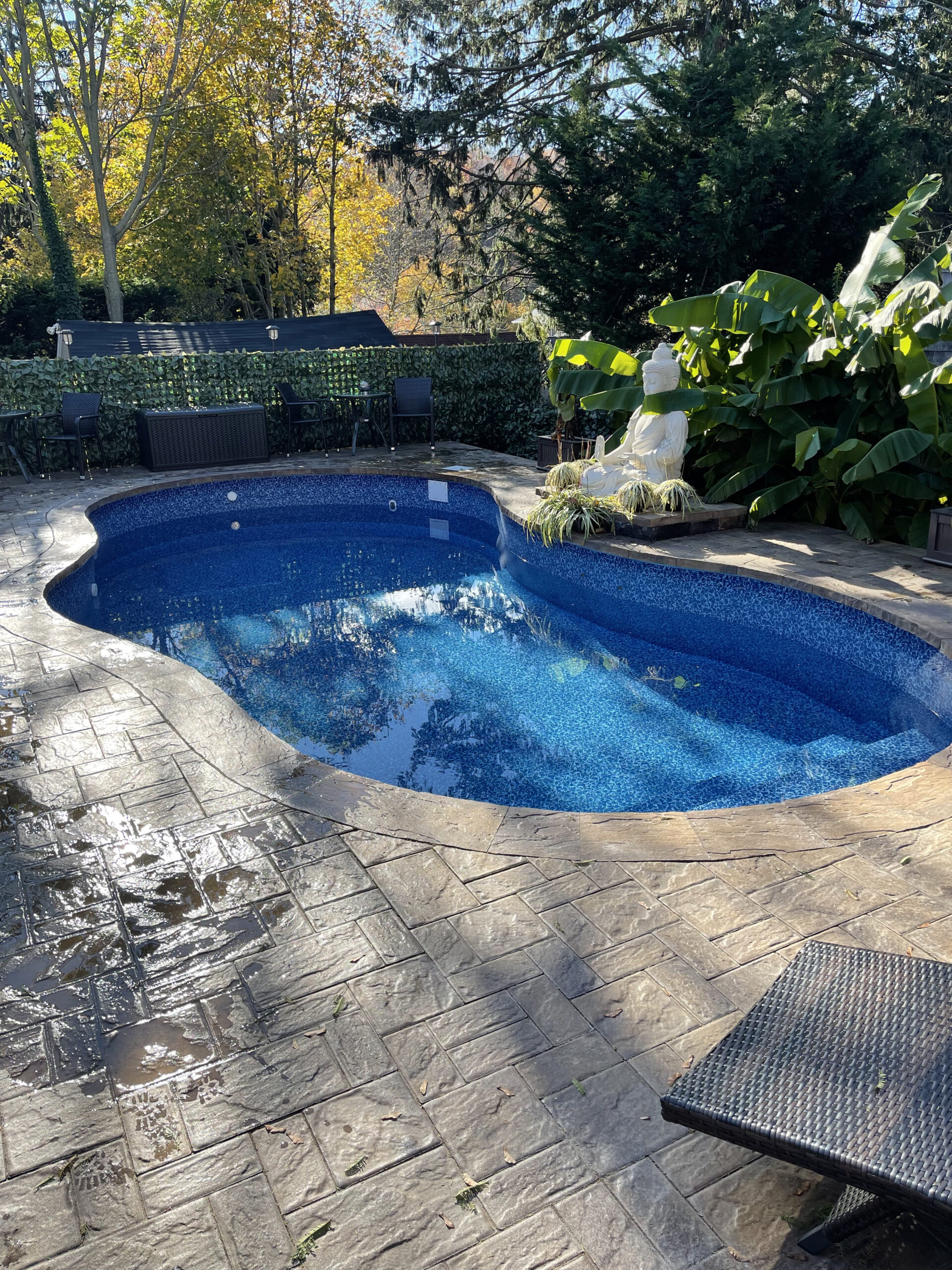
Mar. 31, 2025
5 Creative Ways to Use Pavers Around Your Pool and Patio
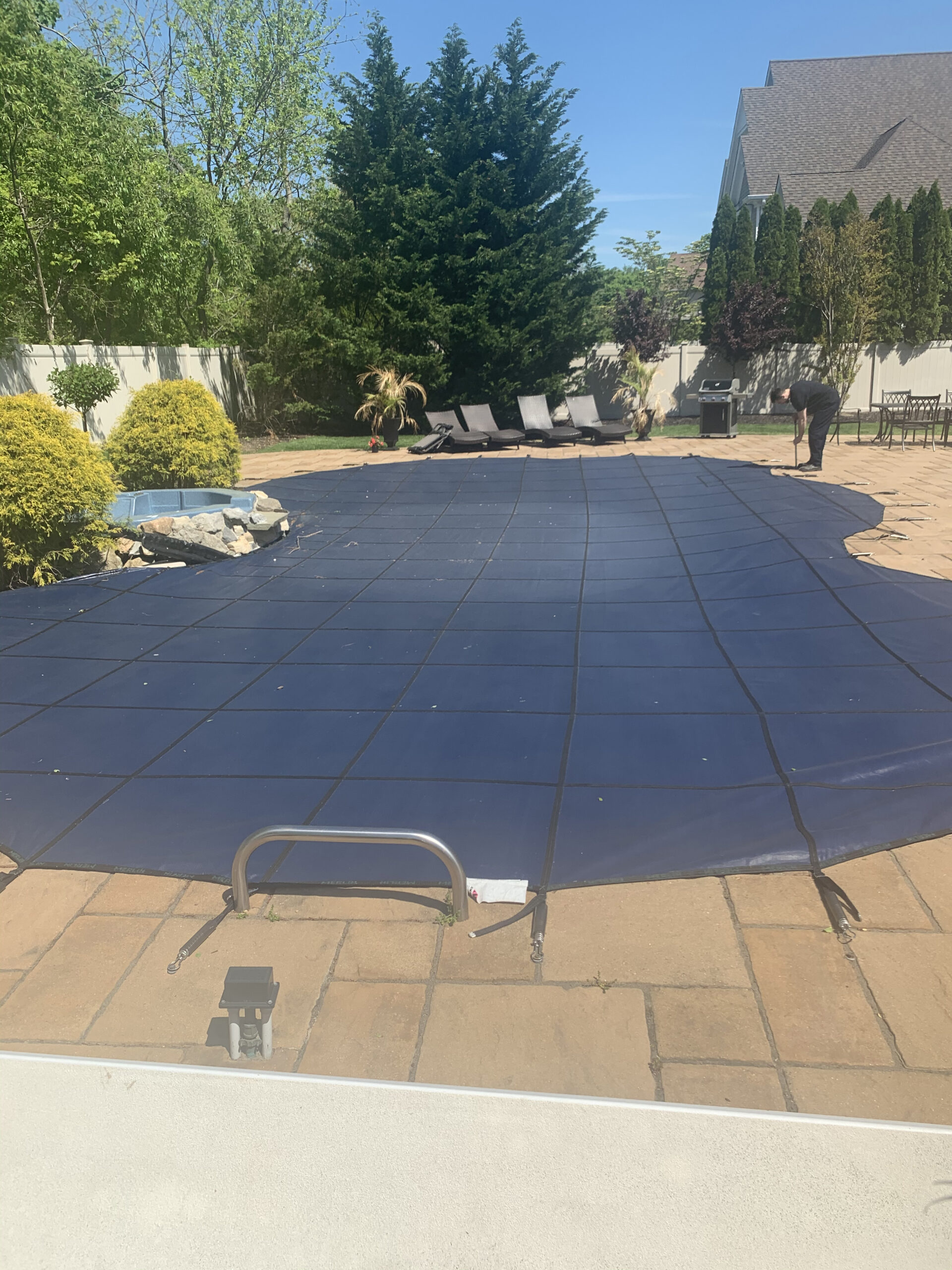
Mar. 15, 2025
Why LOOP-LOC Safety Covers Are a Must for Winter Pool Care

Mar. 01, 2025
Benefits of Upgrading Your Pool Liner to a LOOP-LOC Liner
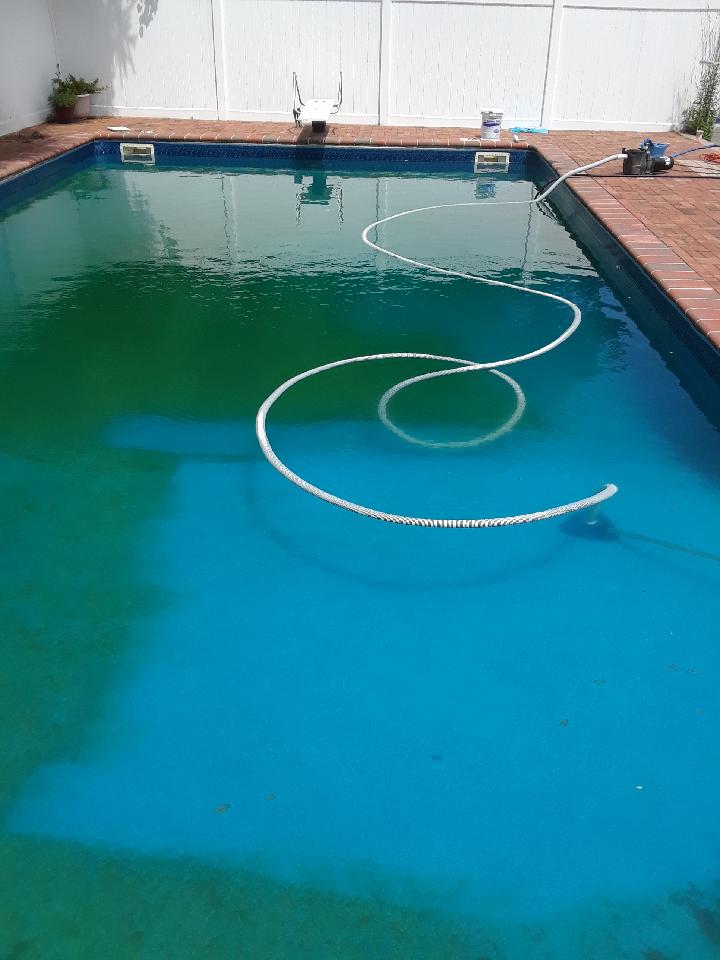
Feb. 15, 2025
How to Prepare Your Pool for a Vinyl Liner Replacement
Feb. 01, 2025