Tel: (516) 543-1297

How to Maintain a Paver Pool Deck for Longevity and Beauty
a blog by userA paver pool deck is a stunning addition to any backyard, offering both beauty and functionality. However, like any outdoor surface, it requires proper maintenance to retain its appeal and durability over time. Without regular care, pavers can become stained, uneven, or dull due to exposure to water, sunlight, and debris.
In this guide, we’ll share essential tips on how to maintain your paver pool deck to keep it looking great for years to come. From sealing and stain removal to routine cleaning and repairs, these tips will help you protect your investment and ensure a safe, attractive pool area.
Benefits of Maintaining Your Paver Pool Deck
Before diving into specific maintenance tasks, it’s important to understand why regular upkeep is necessary.
- Prolongs Longevity:
Proper maintenance helps prevent damage caused by water, UV rays, and regular wear and tear. With consistent care, your paver pool deck can last for decades without requiring major repairs or replacements.
- Enhances Beauty:
Routine cleaning and sealing keep the pavers vibrant and free from stains, ensuring that your pool area remains an inviting space.
- Ensures Safety:
Maintaining a level and clean surface reduces the risk of slips, trips, and falls, especially in a wet pool environment.
- Protects Against Stains and Erosion:
Sealing and timely stain removal prevent discoloration and erosion caused by pool chemicals, oils, and organic matter.
Routine Cleaning Tips
Regular cleaning is the first step in maintaining the appearance and safety of your paver pool deck.
- Sweep Frequently:
- Use a broom or leaf blower to remove dirt, leaves, and debris from the surface of the pavers.
- Regular sweeping prevents debris from accumulating in the joints, which can lead to weed growth and staining.
- Wash the Surface:
- Rinse the pavers with a garden hose regularly to remove dust and light dirt.
- For deeper cleaning, use a mild detergent mixed with water and a soft-bristle brush to scrub the surface.
- Avoid using harsh chemicals or pressure washers too frequently, as they can damage the pavers’ surface.
- Address Algae and Mold Growth:
- In damp or shaded areas, algae and mold can develop. Use a solution of water and white vinegar or a pool-safe algae remover to clean affected areas.
- Scrub gently with a brush and rinse thoroughly to prevent regrowth.
Sealing Your Paver Pool Deck
Sealing is one of the most effective ways to protect your paver pool deck from stains, fading, and water damage. It creates a protective barrier that helps repel water, oil, and dirt.
- When to Seal:
- New pavers should be sealed 30 to 60 days after installation to allow the surface to settle and dry completely.
- Re-seal the pavers every 2 to 3 years, or as recommended by the sealer manufacturer, to maintain protection.
- How to Seal Pavers:
- Clean the Surface: Ensure the pavers are clean and dry before applying the sealer. Remove any stains, dirt, or debris.
- Choose the Right Sealer: Use a high-quality sealer designed for paver pool decks. Options include film-forming sealers that enhance color and sheen, or penetrating sealers that provide a natural look.
- Apply Evenly: Use a roller or sprayer to apply the sealer evenly across the surface. Follow the manufacturer’s instructions regarding drying time and the number of coats required.
- Avoid Over-Sealing: Applying too much sealer can create a slippery surface. Ensure that each coat is thin and even.
Removing Stains from Paver Pool Decks
Stains are inevitable, especially around a pool where oils, drinks, and organic matter can spill onto the deck. Prompt stain removal prevents long-term discoloration.
- Organic Stains (Leaves, Grass, and Dirt):
- Remove organic debris as soon as possible.
- For light stains, scrub with a mixture of water and mild detergent.
- For stubborn stains, use a specialized paver cleaner designed for organic stains.
- Oil and Grease Stains:
- Blot excess oil with a paper towel. Avoid wiping, as it can spread the stain.
- Sprinkle baking soda or cornstarch on the stain and let it sit for 15 to 20 minutes to absorb the oil.
- Scrub gently with a brush and rinse with warm water.
- For persistent stains, use a degreaser specifically formulated for pavers.
- Rust Stains:
- Rust stains can occur from metal furniture or pool equipment.
- Use a commercial rust remover that is safe for pavers. Apply it carefully, following the product’s instructions.
- Pool Chemical Stains:
- Pool chemicals like chlorine can cause discoloration if spilled on the pavers.
- Rinse the affected area immediately with water to dilute the chemical.
- If discoloration persists, use a paver-safe stain remover.
Weed and Grass Control
Weeds and grass can grow in the joints between pavers, detracting from the deck’s appearance and causing shifting over time.
- Preventive Measures:
- Use polymeric sand to fill the joints between pavers. This type of sand hardens when wet, creating a barrier that prevents weed growth.
- Regular Inspection:
- Inspect the joints regularly for any signs of weeds.
- Remove weeds by hand or use a weed killer that is safe for pavers.
Repairing and Replacing Pavers
Despite proper maintenance, pavers can occasionally crack or shift due to ground movement or heavy use. Fortunately, one of the advantages of paver pool decks is the ease of repair.
- Replacing Damaged Pavers:
- Carefully remove the damaged paver using a flathead screwdriver or chisel.
- Clean the area and add fresh sand or gravel if necessary.
- Place the new paver and tap it gently with a rubber mallet to level it with the surrounding pavers.
- Leveling Uneven Pavers:
- If pavers become uneven, remove the affected area and add or remove sand as needed to level the surface.
- Reinstall the pavers and compact them in place.
Final Touches for Long-Term Beauty
To keep your paver pool deck looking its best, consider these additional maintenance tips:
- Apply a Color Enhancer:
- If your pavers have faded over time, a color enhancer can restore their original vibrancy.
- Apply the enhancer after cleaning and before sealing for best results.
- Use Furniture Pads:
- Place pads on the bottom of outdoor furniture to prevent scratches and scuff marks on the pavers.
- Schedule Professional Cleaning:
- If your pool deck has extensive staining or algae growth, consider hiring a professional to deep clean and reseal the pavers.
Conclusion
Maintaining a paver pool deck requires regular cleaning, sealing, and prompt attention to stains and repairs. With proper care, your pool deck can remain a beautiful and functional space for years to come. By following these tips, you can protect your investment and enjoy a safe, attractive pool area that enhances your outdoor living experience.

Looking for more articles
from Big Becks?
Recently published
Mar. 31, 2025
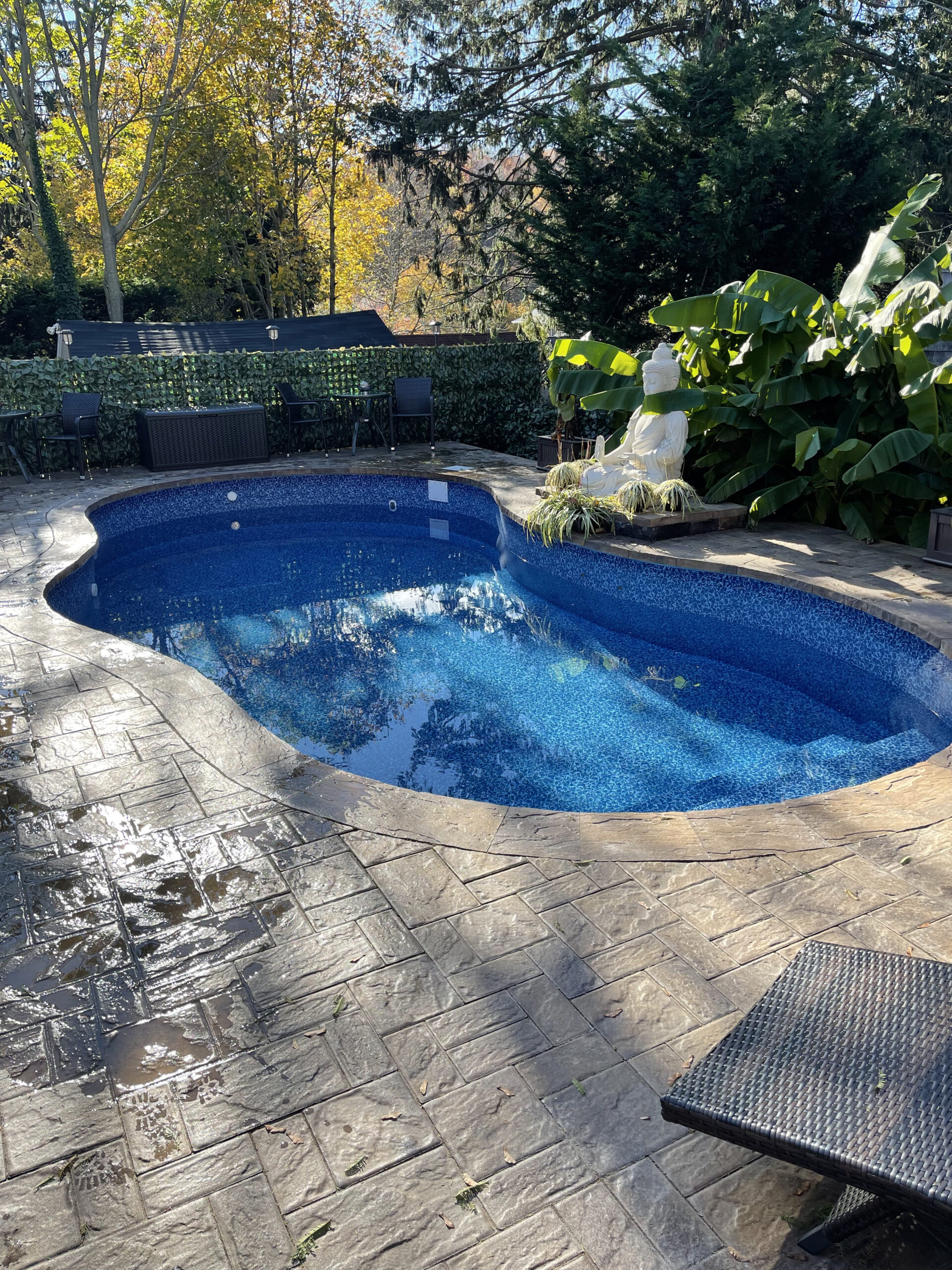
5 Creative Ways to Use Pavers Around Your Pool and Patio
Mar. 15, 2025
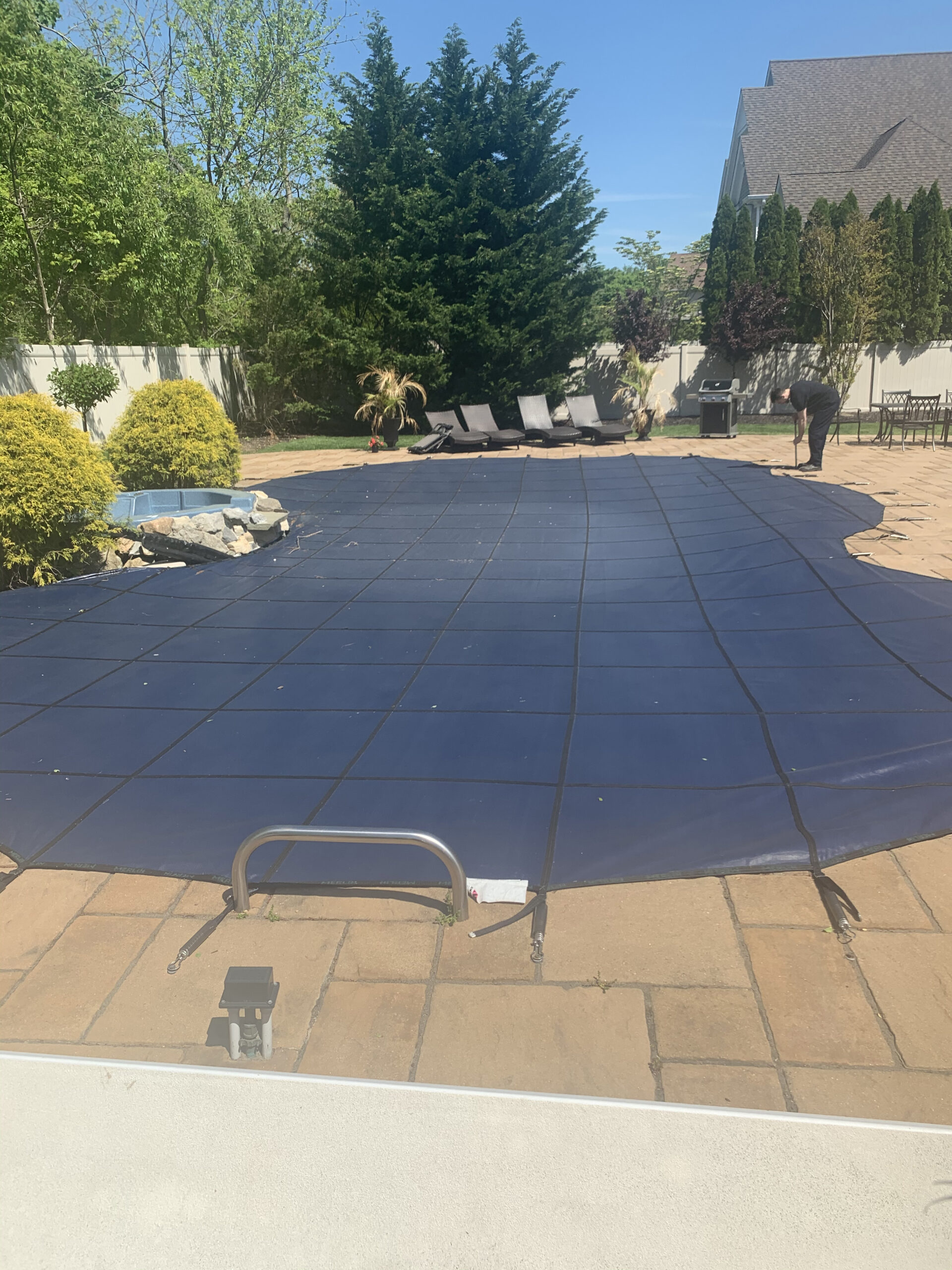
Why LOOP-LOC Safety Covers Are a Must for Winter Pool Care

Mar. 01, 2025
Benefits of Upgrading Your Pool Liner to a LOOP-LOC Liner
Feb. 15, 2025
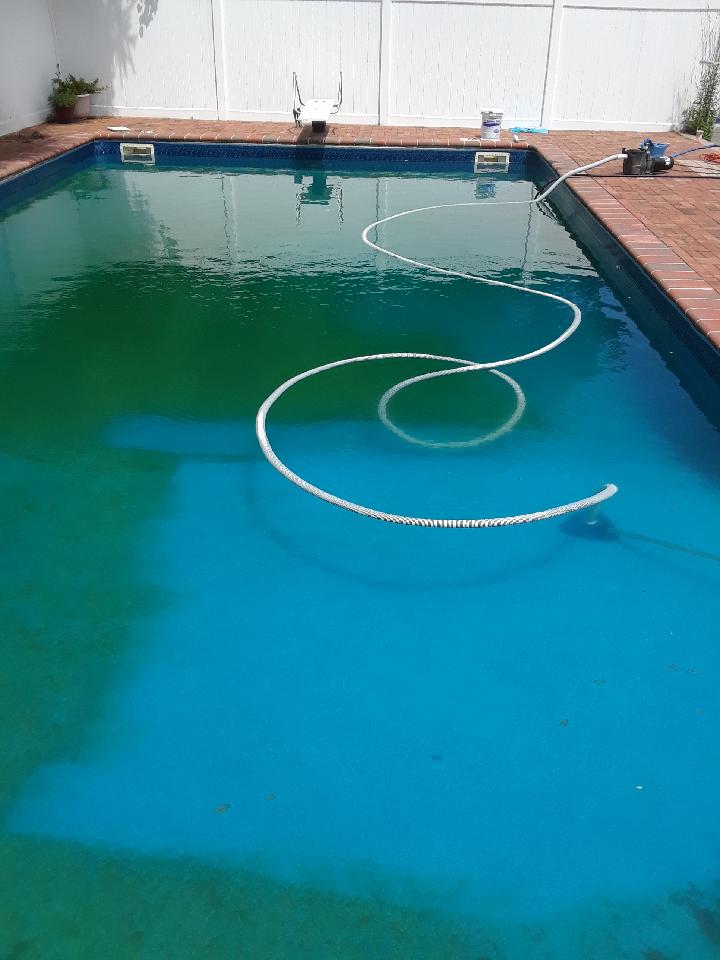
How to Prepare Your Pool for a Vinyl Liner Replacement
Feb. 01, 2025