Tel: (516) 543-1297

Maintaining Vinyl and Fiberglass Pools: A Side-by-Side Comparison
a blog by userInvesting in a swimming pool is a great way to enhance your outdoor living space and increase your property’s value. Among the popular options, vinyl liner and fiberglass pools stand out for their affordability, aesthetics, and ease of installation. However, the decision between these two pool types should also consider long-term maintenance requirements. Understanding how to properly maintain each type of pool can help potential buyers choose the best option for their lifestyle and budget.
In this guide, we’ll provide a side-by-side comparison of maintaining vinyl and fiberglass pools, covering key maintenance tasks, costs, and tips for keeping each type of pool in top condition.
Surface Maintenance: Vinyl vs. Fiberglass
Vinyl Liner Pools:
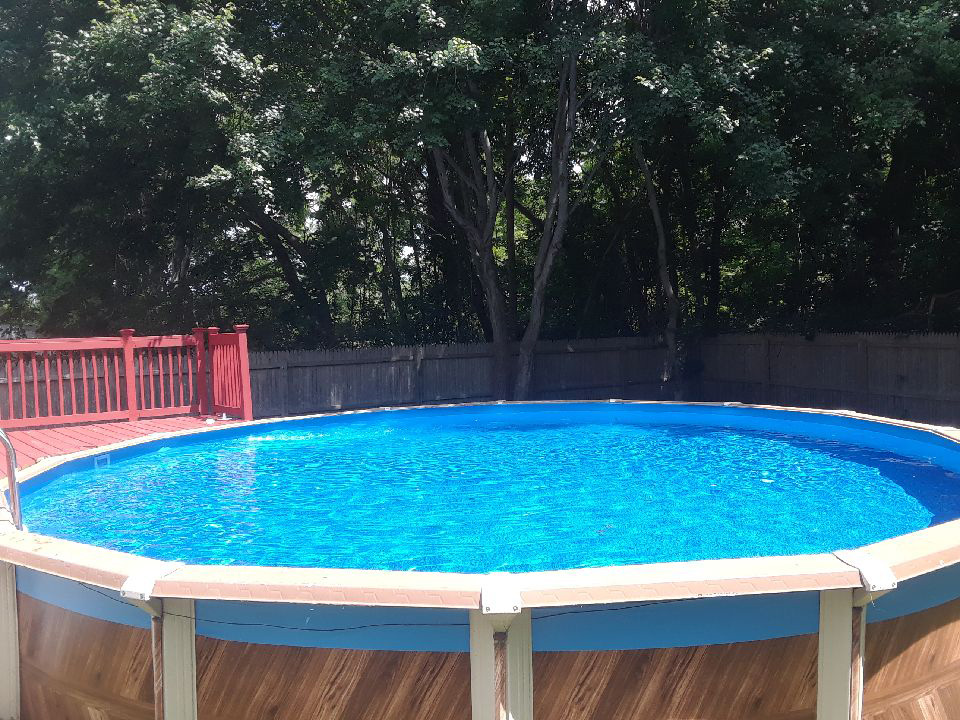
Vinyl liner pools feature a soft, flexible liner that covers the pool’s surface. While this liner provides a smooth, non-abrasive surface that is gentle on swimmers’ skin, it requires regular attention to prevent damage and prolong its lifespan.
Maintenance Tips for Vinyl Liners:
- Prevent Tears and Punctures:
- Avoid sharp objects, such as toys or cleaning tools, that can puncture the liner.
- Use a pool cover when the pool is not in use to protect the liner from falling debris.
- Clean Gently:
- Use a soft-bristle brush to clean the pool walls and floor. Harsh scrubbing can damage the liner.
- Avoid abrasive cleaning agents and stick to pool-specific vinyl-safe cleaners.
- Monitor Liner Condition:
- Over time, vinyl liners may fade or wrinkle due to UV exposure and water chemistry imbalances. Regular inspections can help identify issues early.
- Replace the Liner When Needed:
- Most vinyl liners last 7 to 10 years. When the liner starts to show significant signs of wear, such as fading or cracking, plan for a replacement to maintain the pool’s integrity.
Fiberglass Pools:
Fiberglass pools are constructed with a pre-molded shell made of reinforced fiberglass. The non-porous gel coat surface is highly resistant to algae growth, staining, and cracking, making fiberglass pools relatively low-maintenance.
Maintenance Tips for Fiberglass Pools:
- Prevent Gel Coat Damage:
- Avoid using abrasive cleaning tools or harsh chemicals that can scratch or dull the gel coat finish.
- Regularly clean the pool with a soft brush and pool-safe cleaner to maintain its shine.
- Minimize Calcium Build-Up:
- Over time, calcium deposits can form on the pool’s surface, especially in areas with hard water. Use a pool-safe descaler to remove these deposits without damaging the gel coat.
- Inspect for Cracks:
- While fiberglass pools are less prone to cracking than concrete pools, it’s essential to inspect the shell periodically for signs of structural damage.
- Polish the Surface:
- To maintain the pool’s glossy appearance, consider using a fiberglass pool polish every few years.
Water Chemistry Management
Proper water chemistry is critical for maintaining any type of pool, as it prevents algae growth, scaling, and corrosion.
For Vinyl Liner Pools:
- pH Balance: Maintain a pH level between 7.4 and 7.6 to protect the liner from chemical damage.
- Chlorine Levels: Keep chlorine levels within the recommended range (1-3 ppm) to prevent algae growth and ensure water clarity.
- Alkalinity: Maintain total alkalinity between 80 and 120 ppm to stabilize pH levels and prevent liner wrinkling.
- Calcium Hardness: Vinyl liners are less sensitive to calcium hardness than other pool types, but keeping levels between 150 and 250 ppm can help prevent scaling on pool equipment.
For Fiberglass Pools:
- pH Balance: Aim for a pH level of 7.2 to 7.4, as fiberglass pools are more sensitive to high pH levels, which can cause calcium scaling.
- Chlorine Levels: Keep chlorine levels within the recommended range (1-3 ppm). Excessive chlorine can lead to gel coat fading over time.
- Alkalinity: Maintain alkalinity between 80 and 120 ppm to prevent rapid pH fluctuations.
- Calcium Hardness: Since fiberglass pools are more prone to calcium build-up, maintain calcium hardness levels between 200 and 400 ppm to minimize scaling.
Algae Prevention and Removal
Both vinyl liner and fiberglass pools require regular cleaning and proper water chemistry to prevent algae growth. However, due to differences in surface materials, algae prevention strategies may vary.
Vinyl Liner Pools:
- Use an algaecide regularly to prevent algae from forming on the pool liner.
- Brush the pool walls and floor weekly to remove any algae spores before they can develop into larger blooms.
- Maintain proper chlorine levels, especially during hot weather when algae growth accelerates.
Fiberglass Pools:
- The non-porous surface of fiberglass pools makes it harder for algae to attach and grow, but regular brushing and chemical balancing are still necessary.
- Shock the pool periodically to eliminate any potential algae spores.
- Use a robotic pool cleaner to help keep the surface free of debris and contaminants.
Equipment Maintenance
Both pool types use similar equipment, such as pumps, filters, and heaters, which require regular maintenance to ensure efficient operation.
Pumps and Filters:
- Clean the pool filter regularly to maintain proper water circulation. Cartridge filters are common in both vinyl and fiberglass pools and should be cleaned every few weeks.
- Inspect the pool pump for any signs of wear or leaks. Replace worn-out parts promptly to prevent more significant issues.
Heaters:
- If your pool uses a heater, inspect it annually to ensure it’s operating efficiently. Remove any debris or calcium build-up that may have accumulated inside the heater.
Automatic Pool Cleaners:
- Automatic cleaners are a great tool for both vinyl and fiberglass pools. Use a cleaner designed specifically for your pool type to avoid damaging the surface.
Cost of Maintenance Over Time
Vinyl Liner Pools:
- Lower Initial Cost: Vinyl liner pools have a lower upfront cost, but long-term maintenance expenses can add up due to liner replacements every 7 to 10 years.
- Ongoing Maintenance: Regular cleaning, liner inspections, and occasional patch repairs are necessary to maintain the pool’s appearance and functionality.
Fiberglass Pools:
- Higher Initial Cost: Fiberglass pools are more expensive to install, but they offer lower long-term maintenance costs due to their durable surface and reduced need for chemical treatments.
- Minimal Repairs: Fiberglass pools require fewer repairs than vinyl liner pools, making them a cost-effective option in the long run.
Final Thoughts
Both vinyl liner and fiberglass pools have their unique maintenance requirements, and the best option depends on your budget, lifestyle, and long-term plans. Vinyl liner pools offer greater flexibility in design and lower upfront costs but require more frequent replacements and careful handling to prevent damage. On the other hand, fiberglass pools provide a low-maintenance, durable solution with a smooth surface that resists algae growth and reduces chemical usage.
By understanding the maintenance needs of each pool type, you can make an informed decision that ensures years of enjoyment and relaxation. Whether you prioritize design flexibility or long-term cost savings, proper maintenance is key to keeping your pool in excellent condition.
Looking for more articles
from Big Becks?
Recently published
Mar. 31, 2025
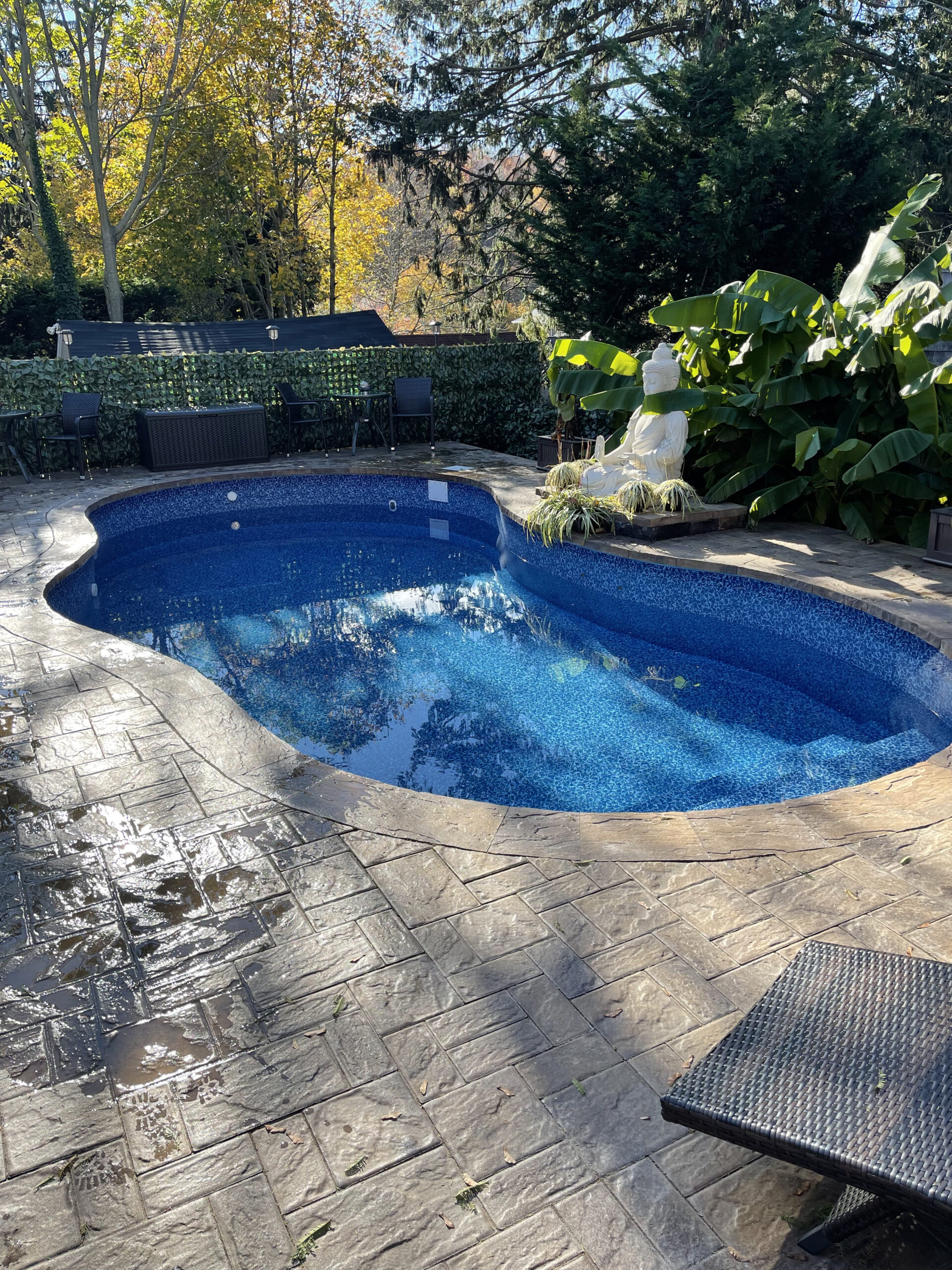
5 Creative Ways to Use Pavers Around Your Pool and Patio
Mar. 15, 2025
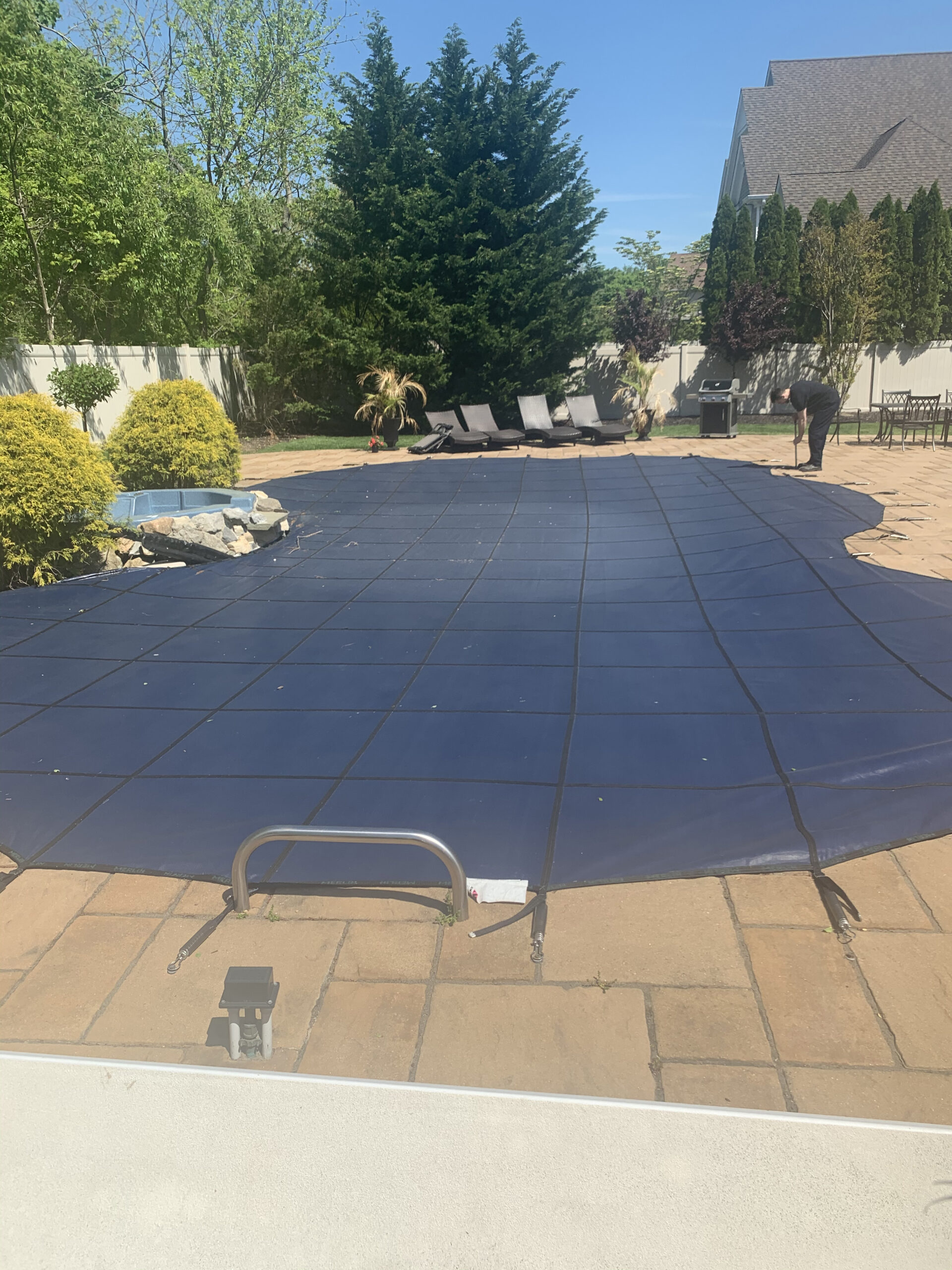
Why LOOP-LOC Safety Covers Are a Must for Winter Pool Care

Mar. 01, 2025
Benefits of Upgrading Your Pool Liner to a LOOP-LOC Liner
Feb. 15, 2025
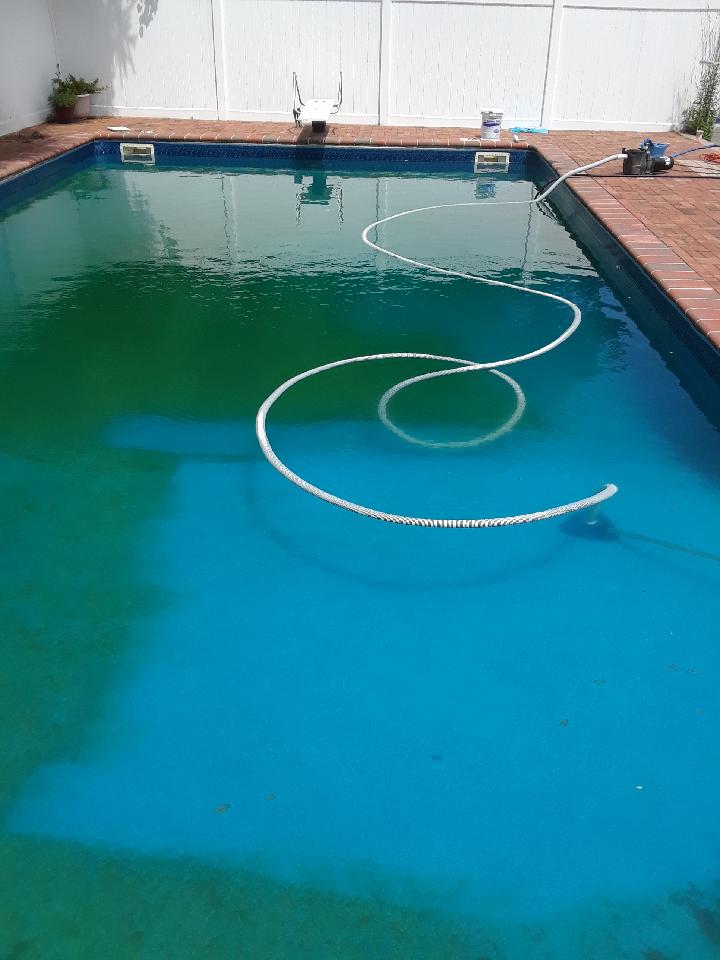
How to Prepare Your Pool for a Vinyl Liner Replacement
Feb. 01, 2025